When the Past Refuses to Stay Buried: Why The Quiet Place Below Is the Psychological Thriller You Can’t Afford to Miss
Studies show that geographic relocation — moving to a new city, starting a new school, building a new life — is one of the most common coping strategies people use after trauma. Yet mental health researchers consistently find that unprocessed grief and unresolved guilt travel with us, unpacked and invisible, into every new space we try to inhabit. The suitcase changes. The weight doesn’t.
The Lie We Tell Ourselves About Fresh Starts
There’s a particular kind of exhaustion that comes with carrying a story no one else is allowed to know. You’ve survived something — something real, something devastating — and the world around you has quietly moved on. Classes start. Rent is due. People laugh in the hallway. And you stand in the middle of it all, frozen between who you were before and whoever you’re supposed to become now.
For survivors of LGBTQ+ trauma, this experience carries an additional layer of invisibility. The institutions that caused the harm — religious organizations, family systems, legal structures — rarely acknowledge what they’ve done. Conversion therapy leaves no visible scars. Betrayal by family doesn’t appear on an intake form. And so survivors are left holding grief the world refuses to validate, carrying guilt over losses they were never fully told about, and navigating relationships with the constant, exhausting awareness that trust, once destroyed, doesn’t simply rebuild itself just because you’ve changed your zip code.
The pain of loving someone whose final days you were never allowed to witness. The terror of not knowing whether your own mind is reliable or has been compromised by someone you trusted. The isolation of being a survivor when everyone around you insists it’s time to move forward. These aren’t abstract concepts — they are the lived interior of anyone who has loved someone swallowed by a system designed to erase them.
A Story That Names What Others Won’t
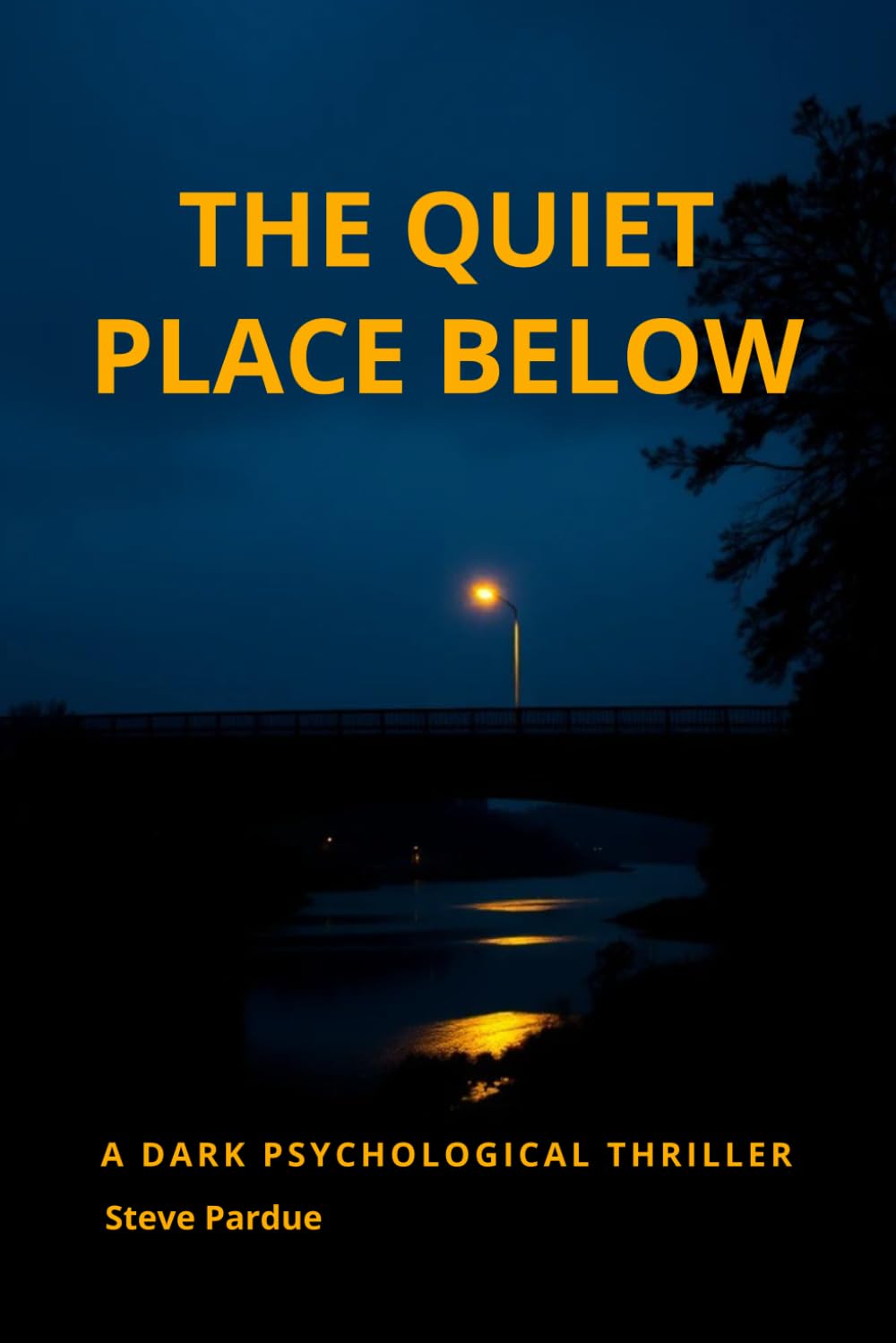
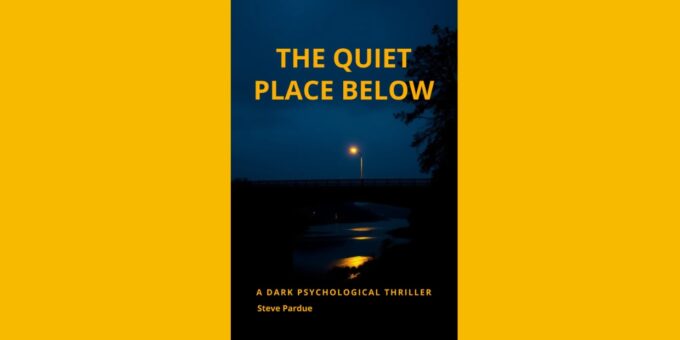
The Quiet Place Below — a dark psychological thriller that doesn’t flinch from the emotional realities of survival, grief, and the manipulation that can follow both. What you’re about to discover in this novel will transform the way you think about memory, identity, and what it truly means to let go of someone you were never allowed to mourn properly.
What The Quiet Place Below Is Really About
On the surface, The Quiet Place Below is the story of Lucas Thorn — a young man arriving at Purdue University three years after losing the boy he loved to a brutal conversion therapy camp in rural Texas. He wants no questions, no memories, and no Leo. Instead, he gets Cooper Benton: charming, attentive, and impossible to ignore.
But the author is doing something far more layered than a standard thriller setup. As appointments vanish from Lucas’s calendar, personal belongings shift without explanation, and late-night messages arrive signed with a name that should be impossible — Leo — the novel begins its real work. It systematically dismantles the myth of the fresh start, showing with devastating precision how unprocessed trauma and unresolved guilt follow survivors into every new space they try to inhabit. Lucas didn’t leave his past in Texas. He carried it with him, and someone — or something — is using it against him.
What sets this novel apart from other psychological thrillers is its unflinching commitment to the emotional truth beneath the suspense. The author, known for fiction that balances chilling tension with heartfelt authenticity, doesn’t use LGBTQ+ trauma as a plot device. He uses it as a lens — one that illuminates the invisibility of institutional betrayal, the psychological aftermath of conversion therapy on both its direct victims and those who loved them, and the particular horror of being gaslit into doubting your own perception when the disturbances you’re experiencing are entirely real. The paranoia Lucas feels isn’t a weakness. It’s the rational response of someone whose trust has been systematically destroyed by the people who were supposed to protect him most.
The Insights That Will Stay With You Long After the Final Page
One of the most powerful threads running through The Quiet Place Below is the question of guilt — specifically, the guilt of surviving when someone you loved did not. Lucas has spent three years believing a version of events that turns out to be incomplete. The novel’s most devastating revelation isn’t a conventional plot twist; it’s the moment Lucas discovers that family members actively concealed information that could have changed everything. That the people closest to him chose silence over his ability to grieve truthfully. This is the kind of betrayal that doesn’t announce itself with drama — it arrives quietly, in the form of a letter, a confession, or a name spoken by someone who shouldn’t know it.
The novel also explores something rarely addressed in psychological thrillers: the ambiguity of forgiving someone who caused harm yet was also a victim. Cooper Benton is not a simple villain. When Lucas demands to know why Cooper sought him out, the answer is both devastating and disarming — “He loved you. Because he loved you.” Cooper wanted to meet the person Leo had spoken about constantly at the camp. In that single line, the author collapses the distance between antagonist and mirror, forcing Lucas — and the reader — to sit with the uncomfortable truth that obsession and grief can wear identical faces. Discovering this doesn’t make what Cooper did forgivable. But it makes it human, and that humanity is far more unsettling than any straightforward menace could be.
Perhaps the novel’s most resonant insight is this: the fear that healing means forgetting, or worse, betraying the person you lost. Lucas’s paralysis isn’t simply grief — it’s loyalty. To move forward feels like abandoning Leo to the quiet place below. Only after the full weight of the novel’s events, including a violent confrontation and its aftermath, does Lucas finally stand on a bridge and read the letter that ends with the words “None of this was your fault. Love, Leo.” That moment of release — when the quiet place below finally loosens its grip — is earned in a way only the most emotionally honest fiction can achieve.
Ready to Discover What You’ve Been Carrying?
If you’ve ever felt frozen in the past while the world insisted you move forward — if you’ve ever loved someone whose story was taken from you before you could fully understand it — The Quiet Place Below meets you exactly where you are. Steve Pardue has written a novel that doesn’t just thrill; it witnesses. It names the grief that institutions refuse to acknowledge, the manipulation that exploits those we’ve lost, and the terrifying, necessary work of learning to trust again after betrayal.
Don’t let this story pass you by. Whether you’re drawn to slow-burn psychological suspense, emotionally intense LGBTQ+ thrillers, or dark academia narratives with real stakes and heart, this is the book that will stay with you. Start your journey into The Quiet Place Below today: AMAZON
Enjoy LGBTQIA+ books, movies, and queer culture?
Back to Home Page
Facebook | BlueSky | Instagram | Threads | Printrest
#PsychologicalThriller #LGBTQThrillers #DarkAcademia #TraumaAndHealing #GriefAndSurvival #TheQuietPlaceBelow #StevePardue #SlowBurnSuspense #DomesticSuspense #YAThrillers